Blog

  • 1. November: Allerheiligen, Samhain, Halloween

    1. November: Allerheiligen, Samhain, Halloween

    Das Feiern der Vergänglichkeit

    Es ist offiziell noch nicht Winter, aber zusätzlich zur astronomisch bedingten Abnahme der Lichtstunden auf der Nordhalbkugel hat die Zeitumstellung hier in Deutschland spürbar dazu beigetragen, dass mir immer wieder Nachmittags um 17 Uhr besonders deutlich wird, dass sich die dunkle Zeit wieder gemütlich breit macht. Zum Herbstanfang begeisterte mich noch der Start des alljährlichen Farbspektakels der Bäume in meiner Umgebung, jetzt liegen viele der ehemals leuchtenden Blätter auf dem Boden und werden dort zu braunem Matsch transformiert. Die Luft riecht nach Pilzen und Kompost und in meinem Gemüsebeet ist quasi nur noch der Grünkohl übrig geblieben. Die Bäume hier präsentieren die komplette Skala von noch einigermaßen grün über golden aber schon amtlich gerupft bis hin zu ziemlich nackt. Dabei hängt der Nacktheitsgrad nicht nur von der Baumart ab, manche erwischt es einfach früher, je nach Standort und Windeinfall.

    Der Tod als Bestandteil der Evolution

    Das aktuelle Thema ist nicht zu leugnen: Im Jahreskreis direkt gegenüber dem befruchtungsfreudigen 1. Mai präsentiert die Natur uns jetzt den Prozess der Zersetzung. In der Evolution basiert die Weiterentwicklung von Arten und Ökosystemen auf dem Ende einzelner Individuen und anderer Arten, ohne den Tod wäre in einer Welt mit begrenzten Ressourcen ein Fortschritt bald nicht mehr möglich. Und so wichtig die Durchmischung der Gene im Mai auch war, so wichtig ist es auch, die Bausteine einiger Organismen zu recyclen, um neue Lebewesen damit zu ernähren. Die Hochzeit und das Verrotten ergänzen sich als perfekte Gegensätze.

    Mythen und Traditionen

    Auch in diesem Jahr wird am 31.10 Halloween gefeiert. Dieser eher moderne Gruselbrauch fällt zusammen mit Allerheiligen und Allerseelen, dem Gedenken an verstorbene Heilige und Nichtheilige. Der protestantische Totensonntag findet allerdings erst am letzten Sonntag vor dem Advent statt. In Mexiko ist diese Tradition besonders lebhaft verwurzelt, aber auch in anderen Regionen sind alte Bräuche zum Thema Vergänglichkeit um diese Zeit herum sehr plausibel, ob sie nun bei den alten keltischen und germanischen Stämmen wirklich unter den Bezeichnungen Samhain beziehungsweise Álfablót gefeiert wurden oder nicht. Die jahreszeitlichen Gegebenheiten und die Notwendigkeit, zum Jahresende die Tierherden auf eine Zahl zu reduzieren, die durch den Winter gebracht werden konnte, machte den Tod sicherlich damals Anfang November besonders sichtbar und sehr wahrscheinlich feierwürdig.

    Dankbarkeit für meine Wurzeln

    Manches Alte lassen wir gerne los, weil es einfach Zeit ist, manches wird uns stürmisch aus der Hand gerissen. Manche Menschen gehen gefühlt weit vor ihrer Zeit und manche Beziehungen verwelken unerwartet vor unseren Augen. Einiges haben wir in der Hand (vor allem unsere Haltung zum Loslassen), vieles aber auch nicht. Der Kreislauf hält eben nicht auf unseren Wunsch an. Für mich ist in dieser Zeit sehr viel Dankbarkeit dran, und zwar eine andere Form als die über eine reiche Ernte. Ich bin eher dankbar für diejenigen Lebewesen, die vor mir gegangen sind.

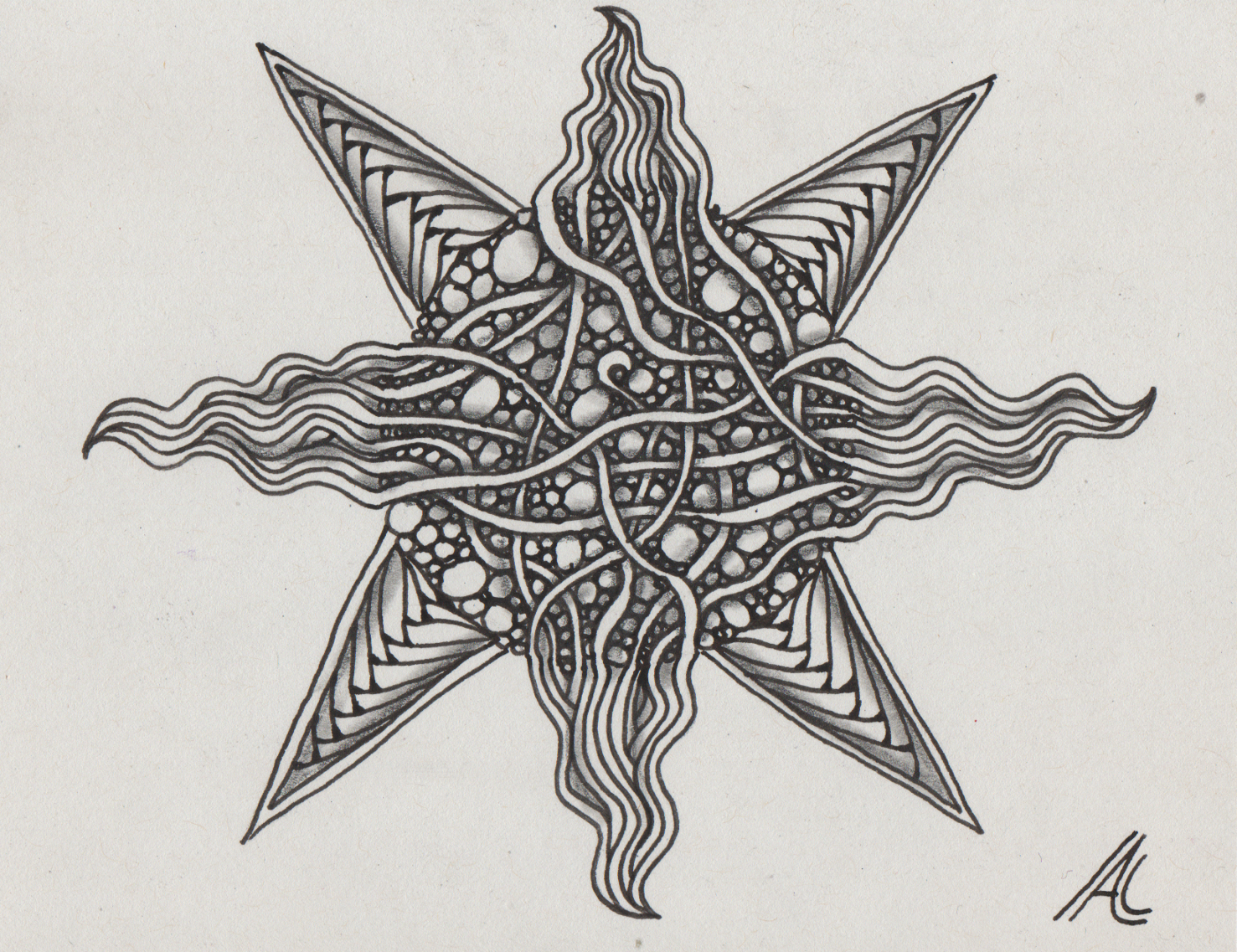
    Nicht umsonst steht mein Symbol für das aktuelle Fest auch für einen Familienstammbaum: Vor Millionen von Jahren lebten Wegbereiter für Wesen wie mich, viel später meine mehr oder weniger direkten Vorfahren, deren DNA ich zu großen Anteilen in mir trage. Aber auch die kulturelle Entwicklung der Menschen macht mich dankbar: Wir fallen nicht bei jeder Runde wieder auf Null zurück. Die, die vor uns da waren, haben uns Erfindungen und Kenntnisse hinterlassen. Sie haben in unseren Gesellschaftssystemen Rechte durchgefochten, von denen ich heute profitiere.

    Was bleibt, ist der resiliente Kern

    So traurig ein kahler Baum auch aussieht, nicht er ist gestorben, sondern die Blätter, die sich unter ihm in ihre Bestandteile auflösen. Alles, was nicht gebraucht wird, wird heruntergefahren. Der Stamm und die Äste bleiben stehen, resilient und für die kalte Zeit gewappnet. Mit dem Kompost zu seinen Wurzeln stellt der Baum dann den Neustart im nächsten Jahr sicher. Entsprechend ist der Novemberanfang für mich Anlass abzuklopfen, was meine resilienten Anteile sind: Was bleibt eigentlich, wenn meine losen Blätter abgezaust werden? Wo habe ich ein starkes Rückgrat und solide Wurzeln?

    Wie sieht es bei dir aus?

    Wie zeigt sich aktuell die Natur dort, wo Du lebst? Sind überhaupt noch viele Tiere zu beobachten? Wie ist das Verhältnis der belaubten zu den kahlen Bäumen? Was hast Du von Deinen Vorfahren an Eigenschaften geerbt? Was hättest Du gerne behalten, was betrauerst Du? Wo siehst Du Deine eigenen resilienten Anteile? Wie ist ganz allgemein Dein Verhältnis zur Transformation von Gewohntem zum Dünger für die Zukunft? Was in der Geschichte der Menschheit macht Dich dankbar?

    Hier habe ich eine Meditation zum Thema Ernten und Bilanzziehen hochgeladen. Vielleicht ist es ja noch einmal tiefgehender, die Fragen zum 1. August in einer anderen Weise auf sich wirken zu lassen.

    Dieser Artikel bezieht sich übrigens auf diesen Hauptblogpost. Im Laufe des Jahres 2020 werde ich für jeden Termin einen weiteren Artikel dazu fügen. Sei also gespannt auf den 21. Dezember!
  • 22. September: Herbstanfang

    22. September: Herbstanfang

    In Dankbarkeit ernten und loslassen

    Gestern habe ich zum ersten Mal wieder bewusst wunderschönen Morgennebel wahrgenommen. Es ist nicht zu leugnen: Am 1. September war der meteorologische Herbstanfang. Jetzt beginnt er auch auf astronomischer Ebene.

    Die Temperaturen sinken und so allmählich beginnen die Blätter in Rot- und Goldtönen zu leuchten. Das ist die Zeit, in der ich regelmäßig die morgens angezogene lange Hose irgendwann über den Tag bereue.

    Die Herbsttagundnachtgleiche liegt auf der Erdbahn dem Frühlingsäquinoktium gegenüber. Der lichte Tag und die Nacht sind also wieder gleich lang, die Änderungsrate der Sonnenstunden wieder am größten. Die Nordhalbkugel der Erde betritt die dunklere Jahreshälfte, allerdings wird die tägliche Zunahme der dunklen Zeit ab heute wieder stetig kleiner.

    Das Obst wird reif

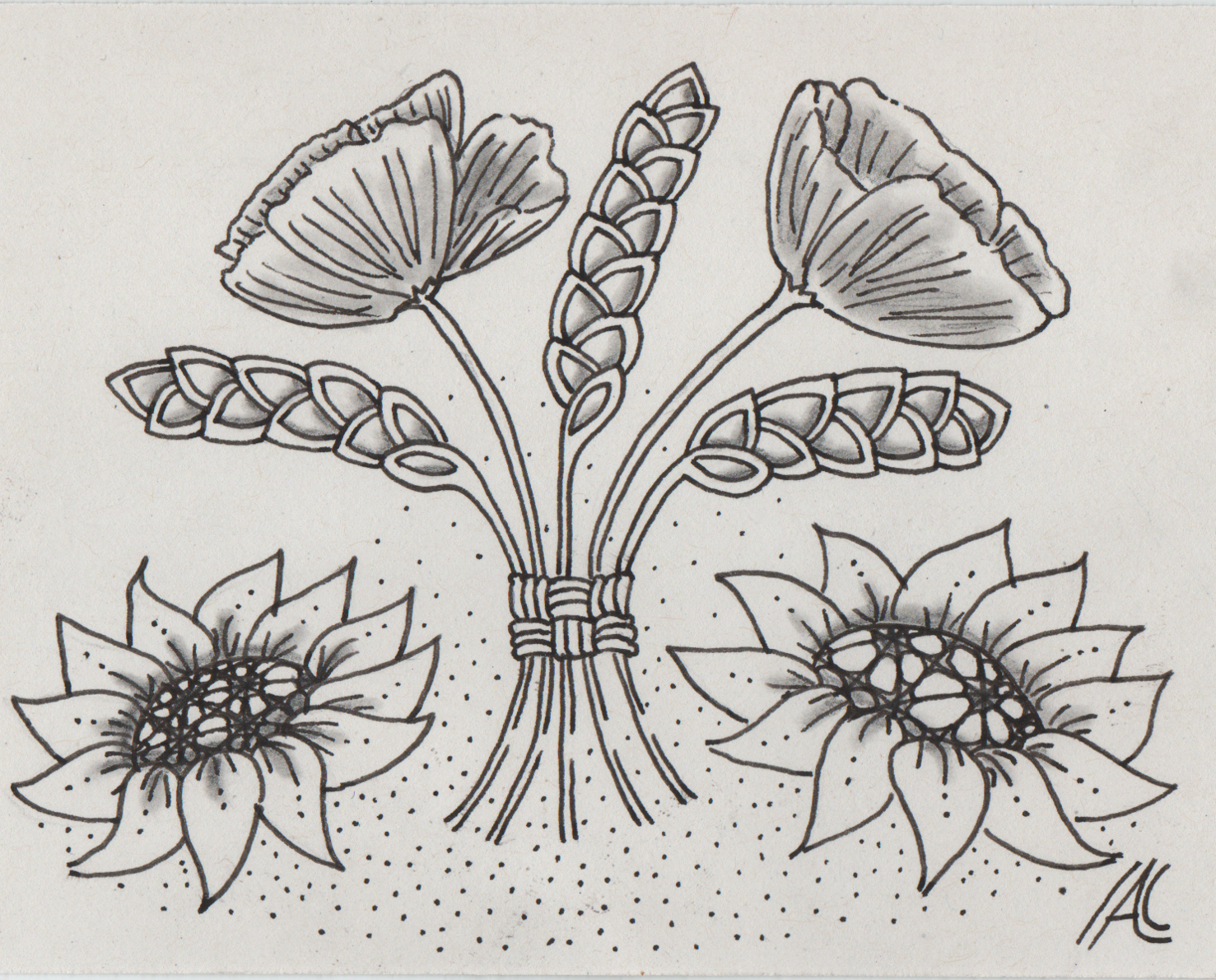
    War zum 1. August die Getreideernte aktuell, so liegt zum Herbstanfang in meinem Bewusstsein der Schwerpunkt auf Obst, wie zum Beispiel Äpfel, Birnen, Pflaumen und Holunderbeeren. Manche Pflanzen in meinem Garten haben die Hoffnung noch nicht aufgegeben. Zum Beispiel hängen noch ein paar tapfere grüne Tomaten am Strauch. Die Sonnenblumen vor der Tür sind tatsächlich erst kurz vorm Aufblühen.

    Auch ich selbst frage mich, was ich jetzt noch anfangen oder weiterführen will und welches Laub ich vielleicht einfach zum Abschied rot leuchten lassen möchte, welche Früchte nicht mehr reif werden müssen. Und welche Ernte ich wie für die dunkle Zeit haltbar machen kann, im realen Sinn genau wie im übertragenen.

    Mythen und Traditionen zum Herbstanfang

    Ganz sicherlich ist jetzt eine Zeit für Dankbarkeit, einen Rückblick auf das, was uns dieses Jahr geschenkt wurde. In der jüdischen Tradition fällt Sukkot, das „Fest des Einsammelns“ (neben der zweiten Bedeutung als Laubhüttenfest), in die Zeit um den Herbstanfang. Weltweit war für die Menschen in früheren Zeiten noch viel mehr als heute die Fülle dieser Jahreszeit existenzentscheidend. In diversen Mythen wandelt eine Vegetationsgottheit jeweils vom Frühlingsanfang bis zum Beginn des Herbstes auf der Erde. Danach kehrt sie in die Unterwelt zurück. Eine ähnliche Tendenz ist bei Pflanzen zu beobachten, die in der helleren Jahreshälfte sprießen, blühen, Früchte tragen und sich am Ende dieser Phase teils ganz wieder unter die Erde zurückziehen.

    Auch wir Menschen verbringen im Frühling und Sommer tendenziell mehr Zeit draußen. Wir werkeln im Garten, genießen die Sonne, gehen draußen baden. In der dunkleren Jahreszeit machen wir es uns zu Hause gemütlich, ordnen Vorräte und ziehen Bilanz. Traditionell steht bald das kirchliche Erntedankfest an, das sich am Festtag Michaelis orientiert, dem 29. September. An diesem Tag wurde offiziell die Saison für die Arbeit bei Kunstlicht gefeiert, entsprechend der Bauernregel „Der Michel zündt’s Licht an“.

    Balance zwischen Aufwand und Ergebnis

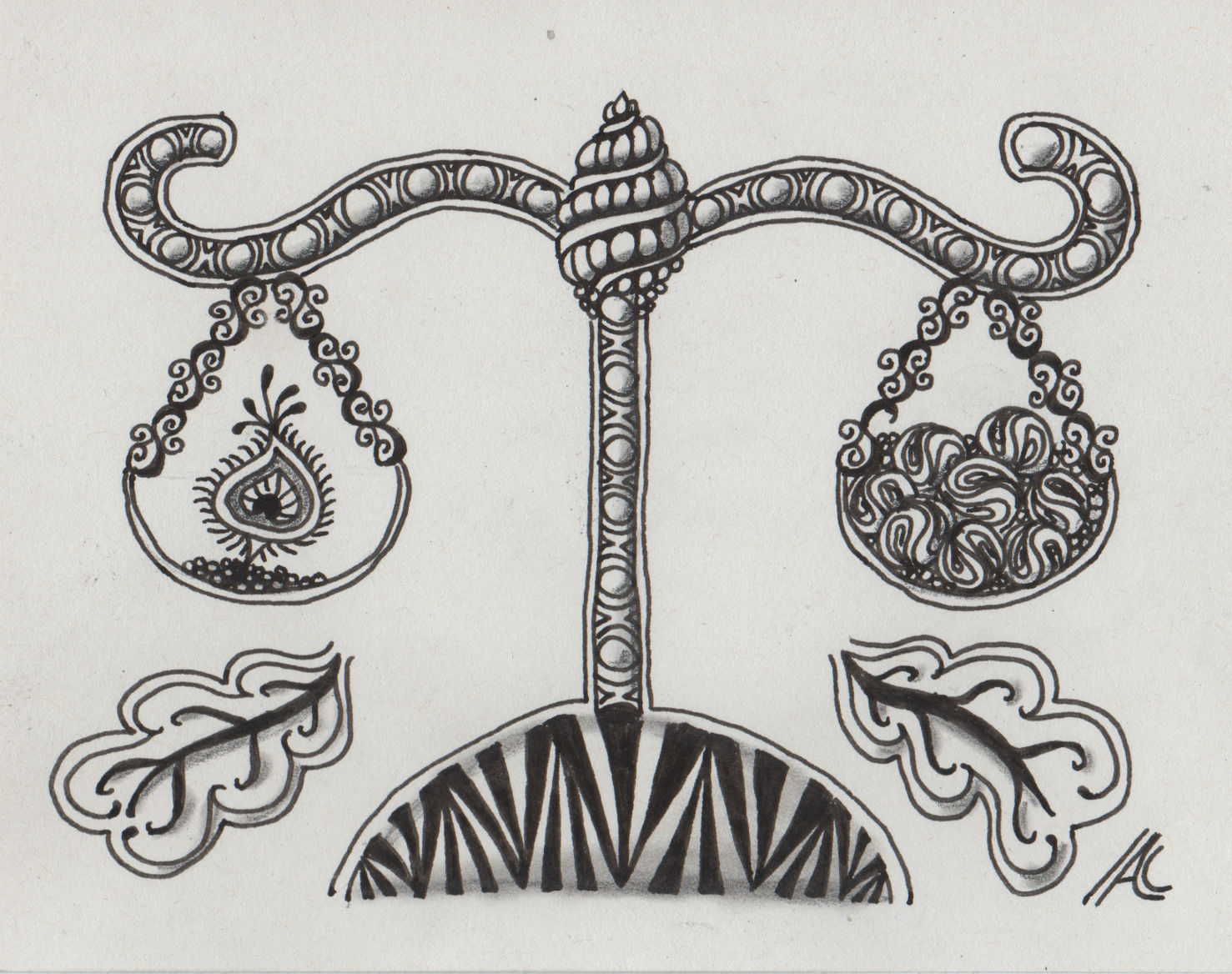
    Eines der Attribute Michaels ist übrigens die Seelenwaage, eine weitere Verbindung zum Titelbild meines aktuellen Beitrags. Denn das Symbol für Balance bedeutet immer auch ein Abwägen. In der Chemie und Physik gelten die Gesetze der Erhaltung von Energie, Impuls und Masse. Im übertragenen Sinn, aber auch im eigenen Garten empfinden wir das manchmal ein bisschen anders.

    Bei manchen Projekten steht eine große Anstrengung eher bescheidenem Erfolg gegenüber. Bei anderen ist es umgekehrt und manchmal hält sich beides die Waage. Natürlich verschwindet auch hier weder Materie noch Energie auf magische Weise, nur sehen wir nicht bewusst, wo genau sie landen.

    Wie sieht es bei dir aus?

    Wie zeigt sich aktuell die Natur dort, wo Du lebst? Wie bereiten sich Tiere eventuell schon auf den Winter vor? Welche Äcker, Bäume und Sträucher sind vielleicht noch nicht abgeerntet? Wie ist es bei Dir in diesem Jahr gelaufen? Was hast Du geerntet, was hattest Du erhofft? Wo hast Du weniger investieren müssen als gedacht, wo war das Resultat reicher als erwartet? Wofür bist Du dankbar? Was willst Du haltbar machen? Und was kannst Du leichten Herzens loslassen? Wie leicht fällt es Dir, den Sommer zu verabschieden und Dich auf die Kerzenscheinjahreszeit einzulassen.

    Hier habe ich eine Meditation zum Thema Ernten und Bilanzziehen hochgeladen. Vielleicht ist es ja noch einmal tiefgehender, die Fragen zum 1. August in einer anderen Weise auf sich wirken zu lassen.

    Dieser Artikel bezieht sich übrigens auf diesen Hauptblogpost. Im Laufe des Jahres 2020 werde ich für jeden Termin einen weiteren Artikel dazu fügen. Sei also gespannt auf den 1. November!

  • Autumn Equinox Basics

    Autumn Equinox Basics

    Autumn Equinox Basics

    The time around the 21st of September is the astronomical beginning of autumn. This article is about the Autumn Equinox basics as part of a series about the Wheel of the Year.

    Weighing Out Your Harvest and Letting Go

    Yesterday for the first time in months, I noticed the beautiful morning mist outside my house. There is no denying the facts: The 1st of September marked the meteorological beginning of autumn and today we enter it a second time in astronomical terms. Temperatures have dropped and the foliage around me has taken on some brilliant red and golden accents. This is the time when later in the day I often regret putting on long trousers in the morning. The autumn equinox is directly opposite Earth‘s spring position in its orbit. The light and dark hours are equal for a very short while, however the rate of change is highest. So the northern hemisphere starts its journey into the darker half of the year, even though the dark minutes added each day become shorter.

    While the 1st of August was more about the grain harvest, to me the main focus is now on fruit like apples, pears, plums and elderberries. Some plants in my garden have not yet given up hope, there are some valiant green tomatoes still hanging on the vine and some of my sunflowers are just about to bloom at last. I myself wonder which projects I still want to start or carry on, what leaves I would prefer to let go of in a blaze of red colours, which fruits I can allow myself to not push to ripening. Also which harvest I can and want to preserve for the coming dark months, literally and metaphorically.

    Traditions all over the world and throughout human history

    In any case this is a time for gratitude, for looking back at what we have been given this year. The Jewish tradition celebrates Sukkot around the beginning of autumn. As well as commemorating the exodus from Egypt, Sukkot is a harvest festival called the „Festival of Ingathering“. Around the world humans in earlier days were existentially dependent on this season‘s abundance: A wealth of myths tells about a vegetation deity who walks the Earth‘s surface from spring until autumn and then has to return to some dark underworld. Similarly, during the lighter half of the year plants sprout, bloom, bear fruit and at the end in some cases actually withdraw underground for hibernation. Humans also tend to spend more time outside during spring and summer: gardening, bathing in a lake or just enjoying the warmth of the sun. In autumn and winter we stay snug inside our homes, fixing our supplies and taking stock. Traditionally, church harvest festivals are based on the 29th of September, the feast day of Michaelmas. This date was also often the official start of the winter night curfew.

    Time to Take Stock

    One of Michael‘s attributes are the scales he uses to weigh human souls, another connection with my blog post image. After all, this symbol for balance also always involves the aspect of weighing things against each other. In Physics and Chemistry we find the laws of conservation of energy, momentum and mass. Metaphorically (but also in our gardening reality) we sometimes experience things differently. In some projects an enormous effort yields only little gain, in others the ratio seems to be the other way around and in some cases input and output feel equally balanced. Of course, in those instances neither energy nor matter disappear as if by magic, we just do not have the means to observe where exactly they go.

    What About You?

    How does Nature currently present itself where you live? How do animals prepare themselves for the coming dark period? Which fields, trees and bushes have not yet been emptied of their bounty? How has this year been for you so far? Which harvest did you reap, what had you hoped for, where did you have to invest less than you thought you would have to, where did you receive more than expected? What are you grateful for? What do you want to preserve? What can you let go of with a light heart? How easy is it for you to send off Summer at the autumn equinox and look forward to the season of candlelight?

    Autumn Equinox Meditation

    I have uploaded a short meditation about weighing decisions for you to try another approach to this holiday. You can find it here.

    This post refers back to this main article and is part of a series on each of the eight holidays of the year. During 2020 I will write another post for every one of those dates so stay tuned for the 1st of November!

  • Lughnasad Basics

    Lughnasad Basics

    The 1st of August is the mid-point between the summer solstice and the autumn equinox. This article is about the Lughnasad basics as part of a series about the Wheel of the Year.

    Awareness for Seemingly Unimportant Things

    The 1st of August is one of those four days in between the prominent equinoctial and solstitial positions in the Earth‘s orbit. While the other three found their way into the general public‘s calendar as Candlemas, Labour Day and All Hallows, this day is only really celebrated on a national scale in Switzerland, based in history not season. Modern definitions do not appear to be especially connected to each other nor do they have much of an agrarian connotation: Mahjong, girlfriends and canon singing among others. In my personal case the first weekend in August is usually devoted to open air entertainment, another reason for me usually not spending too much attention to this special day in the wheel of the year.

    Lughnasad Myths and Tradtions

    In Celtic traditions the 1st of August was celebrated as Lughnasadh and to this day it is an official Bank Holiday in Scotland and Ireland. One basic ascpect of the traditions was a solemn cutting and sacrificing of the first sheaves of grain on a field. On the British Isles there was also the custom of making the last sheaves into sometimes very elaborate corn dollies.

    In my garden the main thing to observe at the moment is the heat so my most important activity is watering the plants that I so lovingly cultivated so they do not give up on the finishing straight. As it happens, what I most notice in my region are the golden fields of grain, even though the actual harvest date is not fixed according to the calendar but to the variety, the ripeness and the grain moisture, Each year farmers keep their eyes on the weather most diligently and weigh the hours of sunshine that might still be on offer with being able to take in their crops while dry enough.

    Transforming Grain into Bread

    Not every type of cereal is meant for baking bread and not all of them are harvested between July and August. In different regions of the Earth different plants provide the basis for the population‘s „daily bread“, for example wheat, corn or rice. While some of us prefer a low carb diet, some have an intolerance toward gluten, I am a very happy fan of bread. Also during 2020 I fell in love with sourdough and the fascinating process of fermentation which humans discovered early to make their food more nutritious and digestible. (And in some cases to transform grain into alcoholic beverages.)

    Until very recently, I had not been aware that rye, which needs sourdough fermentation to make a good bread, had been the main staple bread cereal in large parts of Europe for centuries. In general, these days we often have not too much of an idea about the history and the making of bread, the basic food for many people in many corners of the Earth, or about how and when the different plant species are grown. Just like we have a very loose connection with the 1st of August as one stop on our journey through the seasons, we are not often consciously appreciative of the current harvest that secures a big chunk of our food calories. I find this remarkable and intend to learn more about bread and its fundamental contribution to human history. Some things are so plainly visible to us that we hardly notice them. Until they are not there anymore.

    What About You?

    How does Nature currently present itself where you live? Have the corn fields been harvested yet? How much are you aware of the significance, history and making of bread or other staples you might rely on? What do you have to water and cool, so it does not wilt in the abundance of sunshine? Is there a corn dolly tradition in your regional culture? Where in your life are things that you may take for granted, but which are actually very important? What can you do to increase your awareness of them?

    Lughnasad Meditation

    I have uploaded a short meditation about gratitude and successful cooperation for you to try another approach to this holiday. You can find it here.

    This post refers back to this main article and is part of a series on each of the eight holidays of the year. During 2020 I wrote a post for every one of those dates. Of course the cycle will carry on and I plan to add new things so stay tuned for the 22nd of September!

  • 1. August: Lammas

    1. August: Lammas

    Dankbarkeit für scheinbar Nebensächliches

    Lammas ist einer der vier Tage, die jeweils mittig zwischen den herausragenden Tagundnachtgleichen und Sonnenwenden liegen. Der 2. Februar als Lichtmess, der 1. Mai als Tag der Arbeit und der 1. November als Allerheiligen haben in der allgemeinen Bevölkerung wenigstens ansatzweise eine Bedeutung.

    Dagegen ist der 1.August nur in der Schweiz ein Nationalfeiertag und zwar historisch, nicht jahreszeitlich begründet. Die erst in jüngerer Zeit diesem Tag zugeschriebenen Definitionen sind weder in sich zusammenhängend noch haben sie eine besondere landwirtschaftliche Facette: Tag des Senfs, Mittelfingers, Kanons, Spider-Man und der Freundinnen.

    In meinem Fall steht das erste Augustwochenende regelmäßig für Freiluftunterhaltung. Das ist ein weiterer Grund dafür, dass auch ich dieses Datum bisher nicht sonderlich bewusst als Feiertag im Jahreskreislauf erlebt habe.

    Mythen und Traditionen zu Lammas

    Im keltischen Bereich wurde am 1. August ein Fest namens Lughnasadh gefeiert, und auch heute noch ist der erste Montag im August in Schottland und Irland ein sogenannter Bank Holiday, also ein allgemeiner freier Tag. Grundlegender Bestandteil von Lughnasadh ist das bedächtige Schneiden und Opfern der ersten Kornähren eines Feldes. Zumindest auf den Britischen Inseln gab es darüber hinaus noch die Tradition, aus den letzten Ähren kunstvolle Figuren zu basteln.

    Die Getreidefelder leuchten

    In meinem Garten ist es zur Zeit hauptsächlich heiß und trocken, meine wichtigste Beschäftigung ist also das Wässern, damit meine liebevoll gezogenen Pflanzen jetzt nicht auf den letzten Metern schlapp machen. Aktuell öffnet sich hier ansonsten auf Feldern und Äckern gerade so richtig das Füllhorn. Besonders ins Auge fallen mir tatsächlich die goldenen Wintergetreidefelder. Deren genauer Erntezeitpunkt hängt allerdings nicht am Datum, sondern an der Sorte, dem Reifegrad und der Feuchtigkeit der Körner. Jedes Jahr aufs Neue wird genauestens das Wetter beobachtet und überlegt, ob es sich lohnt, noch ein paar Tage zu warten oder ob es sinnvoller ist, die paar potentiellen Sonnenstunden nicht mitzunehmen, dafür aber die Ernte trocken unter Dach und Fach zu bringen.

    Das „tägliche Brot“

    Nicht jede Getreidesorte ist zum Brotbacken gedacht und geeignet und nicht jede ernten wir Anfang August. In verschiedenen Regionen der Erde sind unterschiedliche Pflanzen Grundlage des „täglichen Brotes“, zum Beispiel Weizen, Mais oder Reis. Manche unter uns sind eher auf der Seite der Low-Carb-Ernährung, andere vertragen kein Gluten. Ich persönlich bin allerdings eine große Brotfreundin. Vor allem bin ich seit Mitte 2020 auch endgültig dem Sauerteig erlegen, dem faszinierenden Prozess der Fermentation, den die Menschen schon früh entdeckten und damit Getreide für sich bekömmlicher und nahrhafter machen konnten. (Oder Getreide zu dem einen oder anderen alkoholischen Getränk transformieren.)

    Mir war gar nicht bekannt, dass Roggen nach dem Säuern überhaupt erst backfähig ist und trotzdem im Bereich des heutigen Deutschlands lange Zeit die wichtigste Brotgetreidesorte war.

    Heutzutage sind generell Kenntnisse über Geschichte und Herstellung des weltweit verbreiteten Grundnahrungsmittels Brot sowie über den Anbau der beteiligten Getreidesorten bei einem Großteil der Bevölkerung nicht mehr ganz an vorderster Stelle im Bewusstsein abgelegt.

    Und so wenig wir mit Lammas als Station auf der Reise durch die Jahreszeiten verbinden, so wenig sind wir oft bewusst dankbar dafür, dass ungefähr zu dieser Zeit die Grundlage für einen großen Teil unserer Nahrungskalorien geerntet wird. Das finde ich bemerkenswert.

    Und ich nehme mir vor, noch mehr über das Brot und seine grundlegende Verbindung zur Geschichte der Menschen zu lernen. Manches haben wir so oft vor Augen, dass wir es kaum noch wahr nehmen, bis es es fehlt.

    Wie sieht es bei dir aus?

    Wie zeigt sich aktuell die Natur dort, wo Du lebst? Ist das Getreide schon abgeerntet? Wie bewusst ist Dir die Bedeutung, Geschichte und Herstellung Deines tägliches Brotes / Deiner sonstigen Grundnahrungsmittel? Was musst Du aktuell besonders gründlich wässern und abkühlen, damit es nicht vor lauter Sonnenschein eingeht?

    Gibt es in Deiner Region eine Tradition zu Lammas wie die traditionellen Corn Dollys? Wo gibt es in Deinem Leben eventuell scheinbare Nebensächlichkeiten, die eigentlich wichtig sind, die Du aber vor lauter Grundsätzlichkeit nicht mehr siehst? Wie kannst Du Dein Bewusstsein dafür steigern?

    Hier habe ich eine Meditation zum Thema Dankbarkeit und Zusammenarbeit nicht nur, aber besonders zu Lammas hochgeladen. Vielleicht ist es ja noch einmal tiefgehender, die Fragen zum 1. August in einer anderen Weise auf sich wirken zu lassen.

    Dieser Artikel bezieht sich übrigens auf diesen Hauptblogpost. Im Laufe des Jahres 2020 habe ich für jeden Termin einen weiteren Artikel dazu gefügt. Natürlich geht der Kreislauf weiter und ich werde auch für kommende Jahre Neues hinzufügen. Sei also gespannt auf den 22. September!

  • Summer Solstice Basics

    Summer Solstice Basics

    The time around the 21st of June is the astronomical beginning of summer. This article is about the Summer Solstice basics as part of a series about the Wheel of the Year.

    Gathering Strength in Times of Plenty

    The summer solstice always reminds me of my childhood and reaching the highest point of the swing in my family‘s garden. A bit weightless and undeniably a lot ephemeral. Astronomically speaking, the Northern Hemisphere now tips towards summer and in complete contrast to the equinoxes the difference between light and dark hours of the day is now greatest. On the other hand the rate of change is lowest from one day to the next. At the roller coaster summit we seem to stand still for a fraction of a second, poised for accelerating downward. And yet, contrary to popular belief we are currently not even especially close to the sun in our orbit. The distance between Sun and Earth is greatest at the beginning of July and smallest just after New Year‘s Day. It‘s all a question of inclination.

    Ancient Megalithic monuments are often oriented according to the Sun‘s position at the solstices. Of course we have no way of knowing how exactly the people of those days celebrated those special dates back then. But we can be sure that they played a big role in the calendar of humans whose lives depended on natural cycles and agricultural seasons. When the abundance of food, light and warmths reliably oscillates between two extremes, traditions and the general world view will definitely be affected.

    Too Hot to Do Much Work

    In my region currently the air is heavy and sweet with the scent of roses and lilacs. Personally, I am of the type of human who prefers to retreat to the basement when the outside temperatures rise above 30°C. This only contributes to the impression that practically nothing is moving, me included. At the moment strawberries, cherrys and other sweet fruit are in season but also a lot of colourful vegetables. There is not much to do in my garden apart from watching Nature do its work on its own and marvel at all the flowers and berries. Just as in other aspects of life, sometimes you just have to trust in the process and put your feet up without feeling guilty. Not everything is going to benefit from me constantly fiddling with it. And even in this society that praises being busy, sometimes it is perfectly fine to take a break, especially when it is too hot to do anything anyway. In farming this is the time to gather strength for the coming harvest. Having to work hard is going to happen one way or the other, so it seems wise to not unnecessarily wear yourself out beforehand.

    Summer Solstice Myths and Traditions

    In some regions Saint John’s Eve marks the end of the asparagus season, another message that the brightest, warmest and loveliest days carry within them an end to some indulgences. The fact that each fruit and vegetable has its season makes them even more precious to me. Knowing that a strawberry will spoil from lying around for too long, I decide to enjoy it now with all my senses fully aware of its transience. (As a second option, I make jam.) Which other things in life can I not hold onto forever but only savour here and now? What do I want to feast on literally and metaphorically, without guilt, because it is available to me only for a limited amount of time?

    In some cultures, people collected Saint John’s wort around Midsummer for protection against all sorts of danger real or imagined. The idea of picking flowers that remind them of the Sun at its peak and putting them in their pockets seems to contradict the notion that there are things you cannot hold onto. On the other hand, this herb seems to have given these people strength even though they could watch the actual flowers wither in their hands. So in the end this tradition is an apt metaphor for the message of the summer solstice. What you can take with you going forward is not material but the energy you get from savouring something when it is abundant.

    What about you?

    How does Nature currently present itself where you live? What in your garden flourishes without your active contribution? What does your current meal plan look like? How does the knowledge of not being able to hold onto a special moment help you in enyoing it even more deeply? Do you always treat yourself to the breaks that you need? What is your level of guilt and regret in relationship with taking breaks?

    Summer Solstice Meditation

    I have uploaded a short meditation about gathering strength for you to try another approach to this holiday. You can find it here.

    This post refers back to this main article and is part of a series on each of the eight holidays of the year. During 2020 I will write another post for every one of those dates so stay tuned for the 1st of August!

  • 21. Juni: Sommersonnenwende

    21. Juni: Sommersonnenwende

    Vom Kräftesammeln in guten Zeiten

    Die Sommersonnenwende erinnert mich an die Momente in meiner Kindheit, in denen ich auf der Schaukel den höchsten Punkt erreichte. Ein bisschen schwerelos und ganz eindeutig nicht festhaltbar. Astronomisch gesehen kippt die Nordhalbkugel in den Sommer und im genauen Gegensatz zu den Tagundnachtgleichen ist der Unterschied zwischen lichten und dunklen Stunden am größten, dafür ist die Änderungsrate, also die Zahl der Minuten, um die sich die lichte Zeit pro Tag ändert, aktuell am geringsten.

    Auf dem Gipfel der Achterbahn scheinen wir für einen Moment schwebend zu verharren, bevor es wieder bergab geht. Dabei sind wir der Sonne aktuell nicht einmal besonders nah: Der Abstand von der Erde zur Sonne ist Anfang Juli am größten und Anfang Januar am kleinsten. Es ist alles eine Frage der Neigung.

    Bedeutung für die frühe Menschheit

    Die Megalithbauten alter Zeiten sind oft genau auf die Sonnenwenden ausgerichtet. Natürlich wissen wir nicht genau, wie die Menschen damals diese speziellen Tage im Detail gefeiert haben. Dass die Sonnenwenden in einem auf die Zyklen der Natur geworfenen Leben von Bedeutung waren, ist allerdings nicht zu bezweifeln. Wenn sich das Angebot an Nahrung, Licht und Wärme über Generationen von Menschen zwischen zwei Extremen hin und her bewegt, bleibt das nicht ohne Folgen für Traditionen und die Sicht auf die Welt.

    Den Pflanzen beim Wachsen zusehen

    In meiner Region ist die Luft schwer und duftet süß nach Flieder und Rosen. Ich selbst gehöre zu der Sorte Mensch, die ab einer Umgebungstemperatur von 30°C am liebsten im Keller lebt, was zu meinem Gefühl beiträgt, dass sich kaum etwas bewegt, inklusive mir. Der Saisonkalender bietet uns im Juni Erdbeeren, Kirschen und andere süße Früchte, aber auch viele Gemüsesorten. In meinem Garten ist jetzt nicht viel mehr zu tun, als der Natur beim Wachsen zuzusehen und die Blüten und Beeren zu bewundern.

    Auch andere Dinge in meinem Leben muss ich einfach mal voller Vertrauen laufen lassen und ohne schlechtes Gewissen die Füße hochlegen. Nicht alles wird besser, wenn ich ständig daran herum bastele. Und manchmal ist es auch entgegen der landläufigen Ansprüche tatsächlich zulässig, sich Pausen zu gönnen, gerade dann, wenn es sowieso für alles andere zu warm ist. Auch im Garten ist jetzt die günstigste Zeit, um Kraft für die Ernte zu sammeln. Diese Anstrengung kommt so oder so, da ist es doch deutlich weiser, sich nicht vorher schon zu verausgaben.

    Mit dem Johannistag am 24.06. wird die Spargelernte traditionell beendet, eine weitere Botschaft, dass gerade die Zeit, in der es am schönsten, wärmsten, hellsten ist, auch ein Ende in sich trägt. Zu wissen, dass jedes Gemüse und jedes Obst seine Saison hat, macht es für mich jeweils noch wertvoller. Und wenn ich weiß, dass eine Erdbeere sensibel auf länges Liegen ist, dann genieße ich sie jetzt mit allen Sinnen im vollen Bewusstsein ihrer Vergänglichkeit. (Oder mache Marmelade daraus.) Welche anderen Dinge in meinem Leben kann ich nicht aufheben, sondern nur jetzt und hier auskosten? Woran möchte ich mich ohne Reue satt genießen, weil es mir nur jetzt zur Verfügung steht?

    Wie sieht es bei dir aus?

    Wie zeigt sich aktuell die Natur dort, wo Du lebst? Was wächst oder blüht in Deinem Garten ganz ohne Deine Mitarbeit? Wie sieht Dein aktueller Speiseplan aus? Wie hilft die Vorstellung, dass Du den Moment nicht festhalten kannst, beim noch tieferen Genießen? Gönnst Du Dir die Pausen, die Du brauchst? Wie stehst Du im Zusammenhang mit Pausen und Genuss zum Thema Reue und schlechtes Gewissen?

    Hier habe ich eine Meditation zum Thema Kräftesammeln hochgeladen. Vielleicht ist es ja noch einmal tiefgehender, die Fragen zum 21. Juni in einer anderen Weise auf sich wirken zu lassen.

    Dieser Artikel bezieht sich übrigens auf diesen Hauptblogpost. Im Laufe des Jahres 2020 werde ich für jeden Termin einen weiteren Artikel dazu fügen. Sei also gespannt auf den 1. August!

  • 1. Mai: Beltane, Walpurgis, Tag der Arbeit

    1. Mai: Beltane, Walpurgis, Tag der Arbeit

    Versöhnung erschafft Neues

    Der erste Mai gehört zu den vier Festtagen, die nicht astronomisch begründet sind, sondern zwischen den vier solaren Festen liegen. Weltlich gesehen ist er der internationale Tag der Arbeiterbewegung und auch so gibt es noch die Tradition, während der Walpurgisnacht in den Mai zu tanzen oder sogar einen Maibaum aufzustellen. In Nordrhein-Westfalen wird dieser Tag als Tag des Friedens und der Völkerversöhnung gefeiert. Eine Reihe von Menschen feiert zum 1. Mai auf der Nordhalbkugel Beltane (auf der Südhalbkugel ist jetzt Samhain, das allerdings thematisch in dieser Blogartikelserie erst am 1.11. besprochen werden wird)

    Hier zeichnen sich schon die Themen ab, die aus meiner Sicht in dieser Zeit besonders feiernswürdig sind. Wenn wir in der Geschichte weit genug zurück gehen, ging es zunächst um Fruchtbarkeitsriten, was sich aus heutiger Sicht ein bisschen platt anhört. Früher waren allerdings die Menschen deutlich stärker davon abhängig, dass die Saaten aufgingen und die Ernte sie über den Winter hinweg ernährte. Da war Fruchtbarkeit etwas existenziell Wichtiges und nicht nur Stoff für romantische Tänze um das Feuer.

    Blüten sehen nicht nur hübsch aus

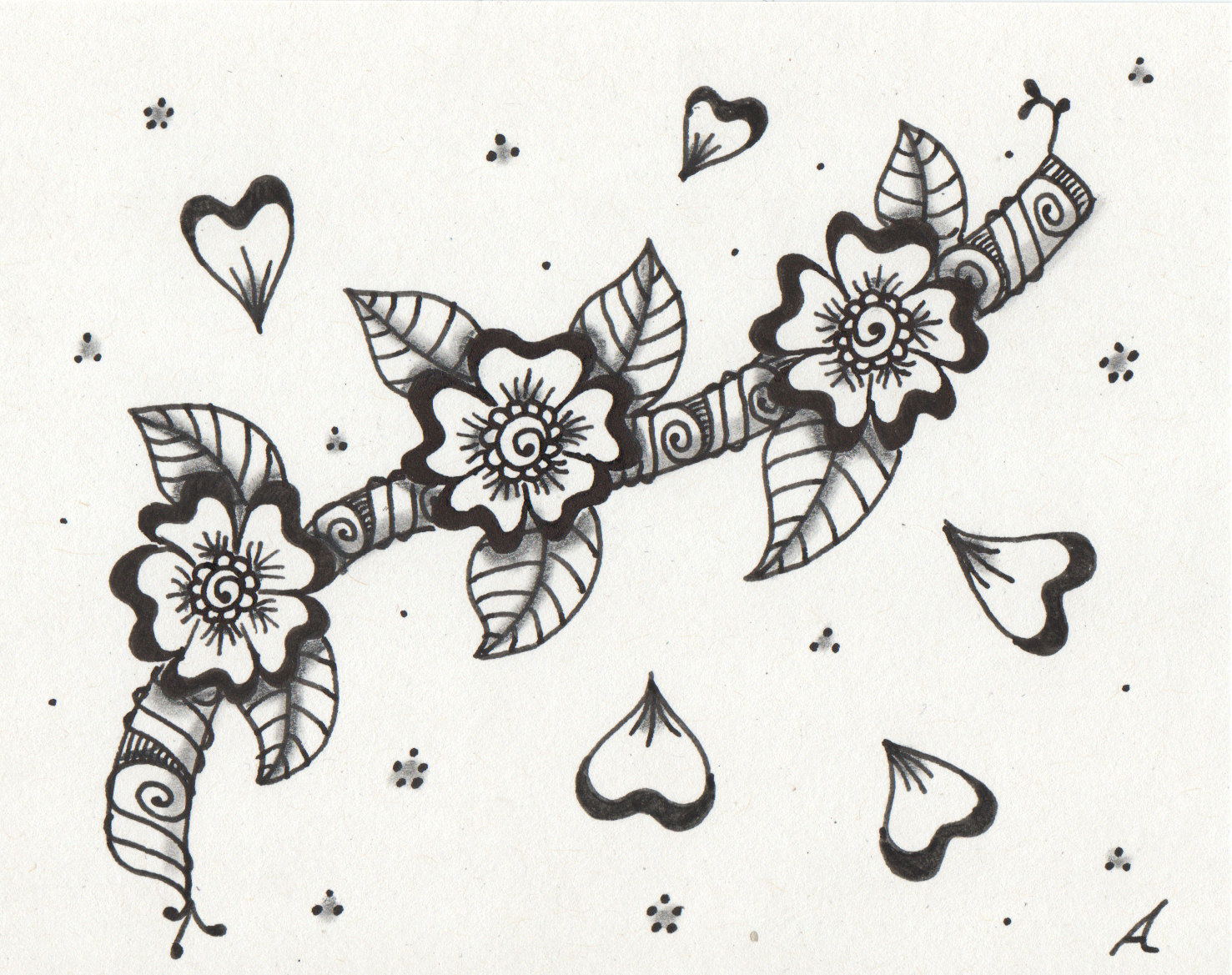
    In der Natur drängeln sich aktuell in meiner Umgebung die Obstbäume mit ihren üppigen Blüten in den Vordergrund. Weibliche Teile der Pflanzen warten auf Befruchtung durch männliche Teile. Die geschlechtliche Fortpflanzung sorgt durch die Vermischung der Erbanlagen für einen Vorteil in der Evolution: Aus der Kombination zweier Hälften entsteht ein ganz neues Ganzes mit einer großen Zahl möglicher kombinierter Eigenschaften. Allerdings ist jede Hälfte auf die Verbindung mit der anderen Hälfte angewiesen und nicht jeder Kontakt führt zu einer erfolgreichen Befruchtung.

    Verbindung von Gegensätzen kann Frieden stiften

    Ich beziehe das alles nicht nur auf die polaren Begriffe „männlich“ und „weiblich“, zumal ich auch nicht finde, dass es sonderlich hilfreich ist, den beiden Kategorien auf ewig feste Eigenschaften zuzuschreiben. Mich interessiert eher allgemein gesprochen die Verbindung aus zwei scheinbaren Gegensätzen, aus der etwas ganz Neues entstehen kann, das mit Glück sogar mehr ist als die Summe seiner Teile hätten vermuten lassen.

    Zum Beispiel kann die Versöhnung zerstrittener Völker eine große Menge gebundener Energien und Güter freisetzen, die dann für vorher kaum finanzierbare Projekte eingesetzt werden können. Zwei (oder auch mehr) Menschen, die nicht mehr auf das sehen, was sie trennt, sondern auf das, was sie verbindet, entwickeln dadurch Synergien, die eventuell nicht nur den Beteiligten weiter helfen.

    Innere Versöhnung

    In mir scheinbar entgegengesetzte Bedürfnisse, Eigenschaften oder Glaubenssätze zu versöhnen, hat einen ähnlichen Effekt. Wenn ich in manchen Zusammenhängen beispielsweise das Glas halb voll sehe, in anderen dagegen halb leer, kann ich auch an den Punkt kommen, aus diesen beiden Bildern eine ganz neue Ansicht zu synthetisieren, die beide Bedürfnisse mit an Bord nimmt, aber auf einer übergeordneten Ebene neue Optionen sichtbar macht. Hier lässt sich eine quasi unerschöpfliche Vielzahl von Begriffen einsetzen. Es ist ja auch individuell unterschiedlich, was wir in unserem Inneren für Kämpfe ausfechten.

    Damit schließt sich der 1. Mai direkt an das Frühlingsäquinoktium an, zu dem (scheinbare) Widersprüche in Balance gebracht wurden. Jetzt entsteht aus den (scheinbaren) Gegensätzen sogar etwas Neues. Aus der Blüte und den Pollen wird ein Apfel, aus den zerstrittenen Völkern wird eine Gemeinschaft, aus dem inneren Streit wird eine entspannte neue Haltung zu mir selbst.

    Liebe braucht Mut

    Am Ende geht es, um doch wieder romantisch zu werden, um die Liebe, die Gräben überwinden und Gemeinsamkeiten sichtbar machen kann. Wenn die sich nicht zu feiern lohnt, dann weiß ich auch nicht weiter. Damit wir diese Verbindung bewirken können, müssen wir uns allerdings dafür öffnen oder auch einmal aktiv nach Blüten suchen gehen und dabei das Risiko eingehen, dass die Dinge doch nicht zusammen passen. Der Tanz um das Feuer gibt keine Garantien. Nicht zu tanzen gibt dagegen die Garantie, dass ganz sicher keine Verbindung zustande kommt.

    Wie sieht es bei dir aus?

    Wie zeigt sich aktuell die Natur dort, wo Du lebst? Gibt es in Deinem Leben Streit, in Dir oder in Deiner Umgebung? Wie machst Du das, dass Du aus scheinbar polaren Enden eines Spektrums etwas Neues entstehen lässt? Ist in Deinem Leben Platz für Blüten, für Pollen und für die Liebe? In welchem Bereich bist Du bereit, das Risiko einzugehen und Dich zu öffnen oder zu auf die Suche zu gehen? Was wäre die Alternative dazu?

    Hier habe ich eine Meditation zum Thema Versöhnung hochgeladen. Vielleicht ist es ja noch einmal tiefgehender, die Fragen zum 1. Mai in einer anderen Weise auf sich wirken zu lassen. Außerdem habe ich einen Blogpost über für mich passende Aktivitäten um den ersten Mai herum geschrieben.

    Dieser Artikel bezieht sich übrigens auf diesen Hauptblogpost. Im Laufe des Jahres 2020 habe ich für jeden Termin einen weiteren Artikel dazu gefügt. Alle Beiträge dieser Serie findest du in der

    Fediverse-Reaktionen
  • Beltane Basics

    Beltane Basics

    The 1st of May is also called Mayday or Workers‘ Day. This article is about the Beltane basics as part of a series about the Wheel of the Year.

    The creative potential of reconciliation

    Mayday is among the four feast days that are not based on astronomy but are spaced in between the solar feast days. On a secular level we celebrate International Workers‘ Day, in one of the German federal states celebrates a „Day of Peace and International Reconciliation“. Culturally we still observe traditions of lighting bonfires or dancing around a maypole. For some people today is Beltane, or for those on the southern hemisphere it is Samhain. The latter will be the subject of another blog post between October and November.

    You surely already have an idea of the themes that, at least to me, are reason for celebration today. Going back in history far enough we can see fertililty rites. Fertility from our perspective sound a bit banal and frivolous. However, back then it was of existential importance that your seeds grew into a harvest that kept you from starving during winter. In those days fertility was more than a romantic occasion for dacing around a big fire.

    Endless Possibilities in Genetic Recombination

    Where I live Nature now shows itself most prominently in fruit trees exploding into countless blossoms. Female plant parts wait for fertillisation by male parts. Sexual reproduction mixes up the genetics of two parental organisms leading to a wide range of potential new qualities in the offspring generation. The coming together of two halves to make a new complete entity is an evolutionary advantage. On the other hand, each half depends on finding the other on time and the success of fertilisation is not guaranteed.

    I do not want to limit this day to the biological categories of male and female. In any case it does not seem especially helpful to me to permanently assign properties to either of them. I am more interested in what happens when two apparent opposites in general connect to synthesize something entirely new which with a bit of luck can be even more than the sum of its parts.

    The Hope for Peace

    As an example, the reconciliation of two nations afters years of conflict can release large amounts of energy and resources. What before had been absorbed by war activities can now be invested into projects to benefit everyone. Two (or more) people fighting can create synergies by not focussing on what separates them but looking at common ground between them. This may even benefit people not directly involved in this controversy. Reconciling seemingly conflicting qualities, needs or dogmas inside of me can have a similar effect. If for example in some contexts I am happy to take risks while in others I like to play it safe, these two sides of myself can come together and create a new view of things, ideally taking care of all needs involved and also uncovering completely new options on a higher level. You can exchange my examples with an almost endless number of other notions. The fights we keep going within our own minds are very individual after all.

    Thematically Mayday picks up the threads of the Spring Equinox. Back then seemingly opposite concepts were brought into balance. Now they find a way to create something new. The blossom and the pollen turn into an apple, warring nations start collaborating and the inner conflict in my head turns into a more relaxed attitude towards myself.

    In the end I would like to go back to being romantic again and say it is basically all about love. Love, which can bridge divides and shine a light on what both sides have in common. If that is not a reason to celebrate, I have no idea what is. To be able to connect we have to open up or to actively go searching for blossoms and take the risk that maybe things may not fit together in the end. Dancing around the Mayday fire does not guarantee fertility. But not even dancing at all is sure to prevent any connectionn from the start.

    What about you?

    How does Nature currently present itself where you live? Is there conflict in your life, either internally or externally? How do you create new concepts out of apparent contradictions? Is there space in your life for blossoms, pollen and love? In which areas are you willing to take the risk of being open or looking for connection? What would be the alternative option?

    Beltane Meditation

    I have uploaded a short meditation about finding inner peace for you to try another approach to this holiday. You can find it here.

    This post refers back to this main article and is part of a series on each of the eight holidays of the year. During 2020 I will write another post for every one of those date so stay tuned for the 21st of June!

    Fediverse-Reaktionen
  • Spring Equinox Basics

    Spring Equinox Basics

    The time around the 20th of March is the beginning of spring. This article is about the Spring Equinox basics as part of a series about the Wheel of the Year.

    A balance of contradictions

    The spring equinox is one of two points on the Earth‘s orbit, where the two halves of the day, the light and the dark, are of equal length and where on the other hand the rate of change is highest. So at the astronomical beginning of spring we move towards the lighter half of the at the fastest speed while from this day forward the amount of light we gain is going to progressively decrease.

    This brings us to the themes of this festival: Apparent paradoxes, entangled within each other. A perfect balance that will crumble especially quickly. A balance of light and dark. And the signal for the unstoppable bursting forth of life.

    Increased activity in nature

    While at Candlemas we saw tentative indications of the coming spring, now we can observe shrubs pushing out light green leaves or forsythias painting front yards bright yellow. In sheep herding regions, lambs can be seen jumping around with boundless energy and some people may even still remember that only a few decades back chicken eggs were scarce during winter. During the last couple of days I have noticed increased insect activity and today for the first time this year, a bumblebee knocked on my window.

    There is an old German song about a farmer preparing his fields in Marchand there really are several plant varieties that can be sown now. So a few days ago I sprinkled two flower mixtures in our garden, one for butterflies and one for bees. For the moment I am watching robins and sparrows eat (hopefully only part of) the seeds. The involuntary extension of spare time the new Corona virus brought gave me some extra motivation to convert part of our garden into a vegetable patch. At Candlemas I planned and otherwise twiddled my thumbs, now it is time for action. Another good tradition is spring cleaning, sweeping away old dust to make room for the new things in our lives. And now more than ever our immune systems will benefit from us walking or running outside in the fresh air at a reasonable distance to other people. Like I mentioned in my previous post about solidarity, this will help us appreciate how even while socially distancing we are all inextricably linked in the geat web of life.

    As much as we may welcome the days from now now on being increasingly lighter rather than darker: The year goes round in an eternal circle. The more intensely we reject the dark, the more it will hit us emotionally come autumn. Whatever I refuse to accept about myself or the world around me, will inevitably bubble up somewhere else in my life. A more helpful approach is to instead try to see the one within the other. To look at what I can take with me from one half of the year into the other. What inside me wants to be integrated into other more accepted parts of myself? And what should really be swept away so I am ready for new things? How can I create a real (if fleeting!) balance in pondering all this?

    Spring Equinox Myths and Traditions

    Jacob Grimm told us about a spring goddess Ostara, who even made it into lists of crossword clues, even though her historic authenticity is widely doubted. While this goddess may never have been celebrated by germanic tribes under this name there are myths about spring goddesses tracing back to a number of civilisations. Often she is kidnapped and has to live in some kind of underworld so the Earth goes barren until the spring goddess returns.We can assume that the people back then, living much more closely with the seasons, sowing, reaping and times of scarcity and who observed the apparent movements of the sun accross the sky, were very much aware of the equinoxes. It it likely they celebrated these days even if the exact rituals have been lost in time. One important aspect of the spring goddess is that she brings both life and death, always carrying part of the other personality with her, only really changing her outward appearance.

    Another relevant myth is the one about Cybele and Attis who mysteriously both emerged from one being. After living together for a while, they went separate ways until due to dramatic circumstances Attis died. The grieving Cybele was granted by Zeus only one consolation: That Attis‘ body will not decompose. What is remarkable is that this story of interwoven polarities, of sacrifice, eternity and the longing for unity was the basis for a longstanding festival observed around the spring equinox.

    What about you?

    How does Nature currently present itself where you live? How do you sense the short moment of equilibrium and how do you especially appreciate its transience? How to you handle (seeming) contradictions, the things you desire and reject? Is there space in your life for new green foliage? Which important things from the dark half of the year will you take with you? What will you (seemingly) sacrifice?

    Spring Equinox Meditation

    I have uploaded a short meditation about finding balance for you to try another approach to this holiday. You can find it here.

    This post refers back to this main article and is part of a series on each of the eight holidays of the year. During 2020 I will write another post for every one of those date so stay tuned for the 1st of May!

Cookie Consent mit Real Cookie Banner