Blog

  • Setting goals for the present

    Setting goals for the present

    Connecting the future and the present

    Let me start this blog post about setting goals with a quote:

    „Yesterday is history, tomorrow is a mystery, today is God‘s gift. That‘s why we call it the present.“

    Joan Rivers

    The only reality we live in happens now. And now. And now. To regret (or yearn for) the past is just as fruitless as is worrying about (or yearning for) the future. At the same time, there are some things in my present that I would like to be different, and that will take me a substantial amount of time to deal with.

    In my experience, the turning of a new year is a good point in time to establish new healthy habits and setting goals. In 2019 I let go of 26.5 pounds primarily by combining new and old excercise routines with a dry January/February. Psychological studies also show that resolvers actually do have a better chance of changing problems in their lives.

    Again, on the other hand, a large fitness network concluded from their app‘s data that the second Friday of January is traditionally when most people drop their resolutions. In 2020, the 19th of January will be this „Quitters‘ Day“.

    Specific Goals

    If you are among those who have set some goals for 2020, this is a good moment to review them to make sure they last you through the year.

    A typical example would be „This year, I will do more exercise“.

    The first and, in my view, most important question is: Is this really my own goal? If I want to drop weight just so people around me are happier, this project is much less likely to suceed.

    Other important factors are: Until when am I going to have achieved what specifically? How much more excercise? What type of exercise? At this stage, it helps to set goals that are doable as well as challenging enough to create some motivating tension to drag us out of our comfort zone but does not discourage us after the first few steps. The more vividly I can envision my intentions, the more emotionally connected I am with them and the more motivated.

    Specific Criteria for Success

    How will I know that I have achieved my goal? This is another essential part of the planning process to make my nebulous first draft of a goal more tangible.

    One more question might sound similar: How do I know now that I will definitely achieve my goal? The mental effort I invest here takes the intention out of the future and emotionally grounds it in the present.

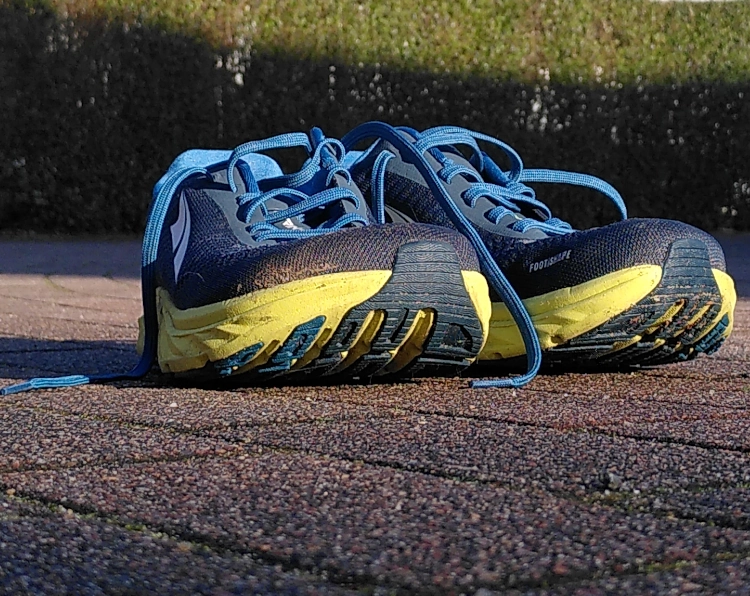
    The end product of this process could look like this: „Until the end of March, I will have been on a run for 36 times. This will let me spend more time enjoying Nature and feel better physically. To support me, I have installed a running app on my phone and fixed a place to store my running gear.“

    Alright, so now I have formulated a goal. What if, by adverse circumstances, I feel like I can‘t go on a run? I could be raining. I could oversleep and not have time for a morning run.

    Plan Ahead for Stumbling Blocks

    It was also found that goals have a better success rate when people plan ahead for some likely stumbling blocks. You can establish a kind of if-then ritual to help you be prepared for bad weather, so you don‘t just avoid going for a run and, in your frustration, throw in the towel altogether. Some actions to fit the situation could be:

    • If it rains, I will do this cardio exercise at home where it is dry.
    • If it rains, I will go running but really enjoy a hot shower afterwards.
    • If it rains, I will go running on the treadmill at the gym.
    • … (Can you come up with any other solutions?)

    Which action exactly you take depends on the person and is less important than the fact that you do have an option planned. This exercise is not meant for you to deeply ponder everything that could go wrong but to arm yourself mentally.

    So now you have a goal and a plan for the most apparent contingencies. So far so good. But how do we fit our future plans together with the impossibility of future planning?

    In my view, this is a question of perspective and attitude. To put a goal into concrete words helps to get out of the brooding and endless plan revisions. Once they are fixed on paper, I can easily let go of them. No longer constantly comparing current and target states, wondering what my life will be like when I have achieved my goal makes it possible to live in the present more easily and confidently. Which means I am well ahead even before Quitters‘ Day.

    How about you? What are your experiences with setting goals for New Year‘s resolutions? What helps you to be present?

  • Ziele für die Gegenwart

    Ziele für die Gegenwart

    Die Zukunft und Gegenwart verbinden

    Von Joan Rivers gibt es folgendes Zitat:

    „Yesterday is history, tomorrow is a mystery, today is God‘s gift. That‘s why we call it the present.“

    Joan Rivers

    Im Deutschen geht das Wortspiel zwar verloren, die Wahrheit dahinter allerdings nicht. Wirklich leben können wir ja nur im Hier und Jetzt. Das Gestern zu bereuen (oder sich danach zurückzusehnen) ist genauso wenig hilfreich wie die Sorge um die Zukunft (oder die Sehnsucht danach). Gleichzeitig gibt es Dinge, die mich in der Gegenwart ganz real stören und deren Erledigung eine längere Zeit braucht und gleichzeitig sind Ziele wichtig.

    Was ist der „Quitters‘ Day“?

    In meiner Erfahrung ist der Jahresanfang eine gute Gelegenheit, neue Gewohnheiten zu etablieren. 2019 habe ich so zum Beispiel ganz gemütlich in sechs Monaten zwölf Kilogramm losgelassen, indem ich im Januar neue alte Sportroutinen mit einem zweimonatigen Alkoholfasten verknüpft habe. Auch in Studien zeigte sich, dass spezifische Vorsätze Menschen helfen, konkrete Punkte in ihrem Leben anzugehen.

    Auf der anderen Seite ist Daten eines global verbreiteten Sportnetzwerks zufolge der zweite Freitag im Januar der Termin, an dem Menschen am häufigsten ihre guten Vorsätze aufgeben, für 2020 wäre also der 19.1. der sogenannte „Quitters‘ Day“. Wenn auch du dir für 2020 etwas vorgenommen hast, ist jetzt ein guter Moment, um dieses Ziel etwas abzuklopfen, damit es auch wirklich nachhaltig und weit trägt.

    Wie formuliere ich ein nachhaltiges Ziel?

    Als Beispiel kann uns der Vorsatz „2020 mache ich mehr Sport“ dienen.

    Die erste und aus meiner Sicht wichtigste Frage ist: Ist das wirklich mein eigenes Ziel? Sollte ich eigentlich nur abnehmen wollen, damit mein Umfeld zufrieden ist, hat der gute Vorsatz deutlich weniger Chancen auf Erfolg.

    Weitere wichtige Punkte sind: Bis wann will ich was konkret erreicht haben? Was ist mehr? Welcher Sport genau? An dieser Stelle ist es außerdem hilfreich, Ziele so zu wählen, dass sie machbar und gleichzeitig herausfordernd sind, also in einem motivierenden Spannungsfeld existieren, das uns aus unserer Komfortzone herauslockt und doch nicht schon auf den ersten Metern entmutigt. Und je konkreter ich mir vorstellen kann, was ich vorhabe, umso mehr bin ich emotional damit verbunden und umso motivierter bin ich.

    Woran merke ich, dass ich mein Ziel erreicht, meine Gewohnheit etabliert habe? In den Prozess der Zielformulierung gehört auch das hinein, um das zunächst Nebulöse fassbar zu machen.

    Eine weitere Frage, die ähnlich klingt: Woran merke ich jetzt schon, dass ich mein Ziel erreichen werde? Die gedankliche Arbeit, die ich hier investiere, bringt das Ziel aus einer unbestimmten Zukunft gefühlt in die Gegenwart.

    Am Ende dieses Prozesses könnte der Vorsatz so klingen: „Bis Ende März werde ich 36mal gejoggt sein. Dadurch werde ich mehr Zeit in der Natur verbringen und mich körperlich besser fühlen. Zur Unterstützung habe ich mir eine Laufapp auf meinem Smartphone installiert und einen Ort für meine Sportkleidung festgelegt.“

    Wie gehe ich mit Unvorhergesehenem um?

    So, jetzt habe ich also ein Ziel formuliert. Was, wenn mir scheinbar widrige Umstände dazwischen kommen? Es könnte ja regnen. Oder ich könnte verschlafen und keine Zeit mehr zum Joggen haben.

    Studien zeigen, dass Ziele eine deutlich höhere Aussicht auf Erfolg haben, wenn ich im Voraus konkrete Maßnahmen für eventuelle Stolpersteine plane. Eine Art Wenn-Dann-Ritual hilft, nicht unvorbereitet bei schlechtem Wetter einfach nicht laufen zu gehen und frustriert komplett das Handtuch zu werfen. Solche Maßnahmen könnten sein:

    • Wenn es regnet, mache ich die konkrete Cardioübung XY zuhause im Trockenen.
    • Wenn es regnet, laufe ich in meiner alten Sporthose und gönne mir danach eine warme Dusche.
    • Wenn es regnet, gehe ich ins Fitnesscenter und laufe auf dem Laufband.
    • … (Fällt Dir noch eine weitere Reaktion auf Regen ein?)

    Welche Maßnahme ich ergreife, ist individuell und weniger relevant als die Tatsache, dass ich eine Verhaltensoption habe. Diese Übung dient nicht dem Grübeln darüber, was alles schief gehen könnte, sondern dem konstruktiven mentalen Wappnen.

    Wie hole ich meine Ziele in das Hier und Jetzt?

    Nun habe ich ein Ziel und einen Plan für die offensichtlichsten Eventualitäten. So weit so gut. Nur: Wie passen Zukunftspläne mit der Unplanbarkeit der Zukunft zusammen?

    Aus meiner Sicht ist es eine Frage der Perspektive und Haltung. Ziele zu formulieren hilft mir, aus dem Grübeln und endlosen Planen heraus zu kommen. Wenn sie auf Papier festgehalten sind, kann ich sie loslassen. Wenn ich nach dem Zielesetzen nicht mehr ständig Soll und Ist abgleiche und mich frage, wie mein Leben wohl am Ende des Projektes aussehen wird, kann ich leichter und zuversichtlicher in der Gegenwart leben. Und bin damit schon vor dem Quitters‘ Day einen großen Schritt weiter.

    Was meinst du?

    Wie sieht es bei Dir aus? Welche Erfahrungen hast du mit Zielen oder Neujahrsvorsätzen gemacht? Wie schaffst du es, möglichst oft in der Gegenwart präsent zu sein?

Cookie Consent mit Real Cookie Banner